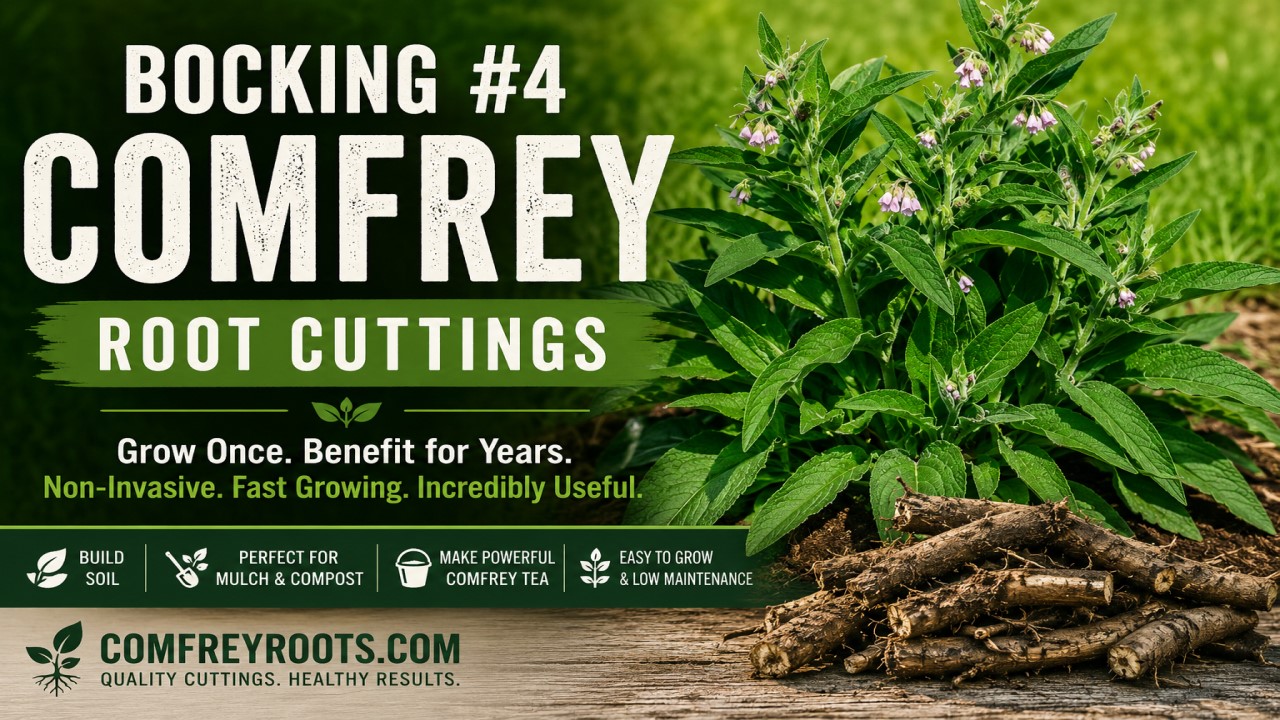
Bocking #4 Comfrey Root Cuttings: The Fastest Way to Grow Comfrey That Actually Works
Bocking #4 Comfrey Root Cuttings: The Reliable Way to Grow Productive, Non-Invasive Comfrey
If you’re searching for comfrey root cuttings, Bocking #4 comfrey, or wondering whether comfrey is invasive, this guide will help you make the right choice before you plant.
Comfrey is one of the most useful plants you can grow for soil building, mulch, compost, and permaculture systems—but the type of comfrey you start with matters.
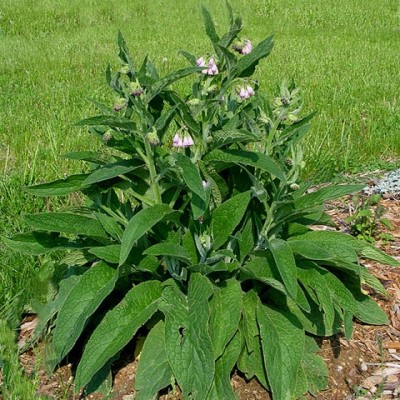
What Is Bocking #4 Comfrey?
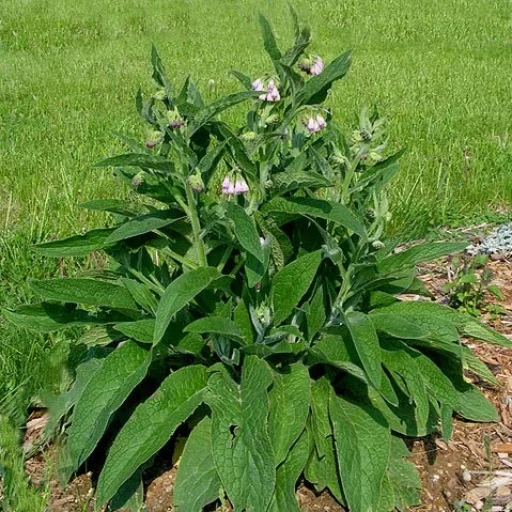
Bocking #4 comfrey is a cultivated comfrey variety valued for its large leaves, strong growth, and controlled spreading habit.
Unlike seed-grown wild comfrey, Bocking #4 is typically propagated by root cuttings. That matters because seed-grown comfrey can be unpredictable and may spread aggressively.
Bocking #4 gives growers a productive, long-lasting plant without the same seed-spreading concerns that come with wild comfrey.
Why You Should Avoid Growing Comfrey From Seed
If you grow comfrey from seed, you’re almost always getting wild-type comfrey.
Wild comfrey can spread aggressively and become difficult to control. Once it gets established in the wrong place, removing it can be frustrating because root fragments can regrow.
If your goal is a controlled, productive plant, Bocking #4 comfrey root cuttings are the better choice.
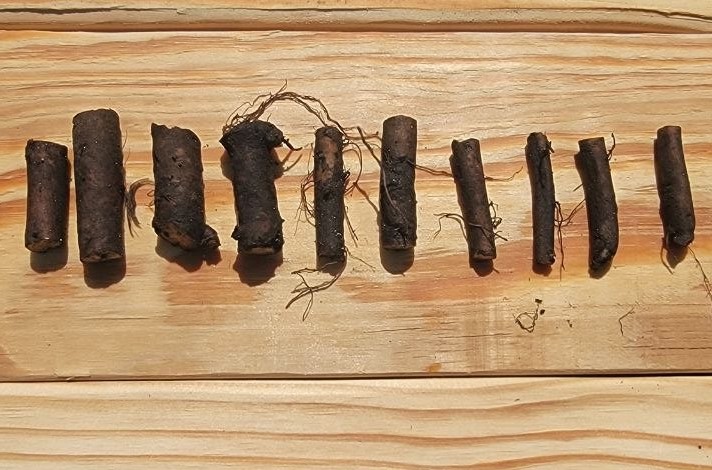
Why Root Cuttings Are the Reliable Way to Start
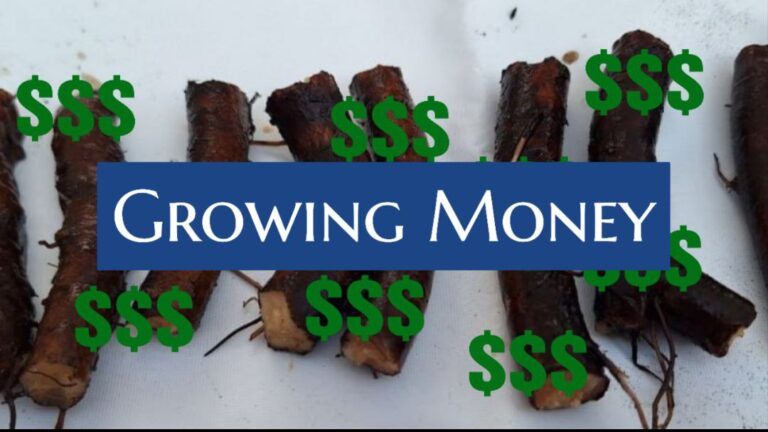
Named comfrey cultivars like Bocking #4 and Bocking #14 are propagated from root cuttings, not seed.
That means starting with root cuttings helps ensure you are planting a specific cultivar instead of an unknown seed-grown plant.
- Seeds = unknown genetics, often wild-type comfrey
- Root cuttings = known cultivar when sourced correctly
- Bocking #4 = productive, useful, and controlled
If you care about productivity, control, and avoiding unwanted spreading, root cuttings are the standard.
How to Plant Comfrey Root Cuttings
Planting comfrey root cuttings is simple.
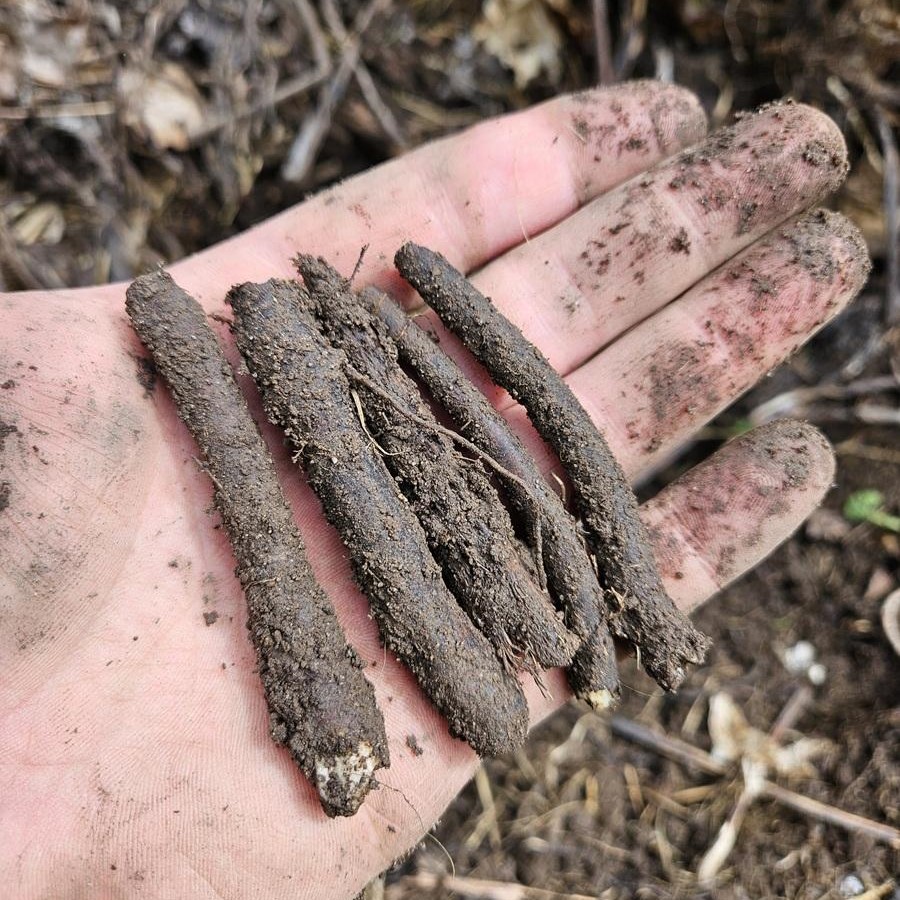
- Dig a small hole about 2 to 4 inches deep.
- Place the root cutting horizontally in the soil.
- Cover it with soil.
- Water it in.
That’s it. Comfrey is tough, forgiving, and beginner-friendly.
How Far Apart Should You Plant Comfrey?
For most growers, spacing depends on how you plan to use the plants.
- 2 to 3 feet apart for rows or heavier production
- 3 to 4 feet apart for larger individual plants
- 4+ feet apart around trees, food forests, or wider planting areas
Comfrey can get big, so give it room if you want full-size plants.
What Is Comfrey Used For?
Comfrey is popular with gardeners, homesteaders, permaculture growers, and anyone trying to build healthier soil.
1. Chop-and-Drop Mulch
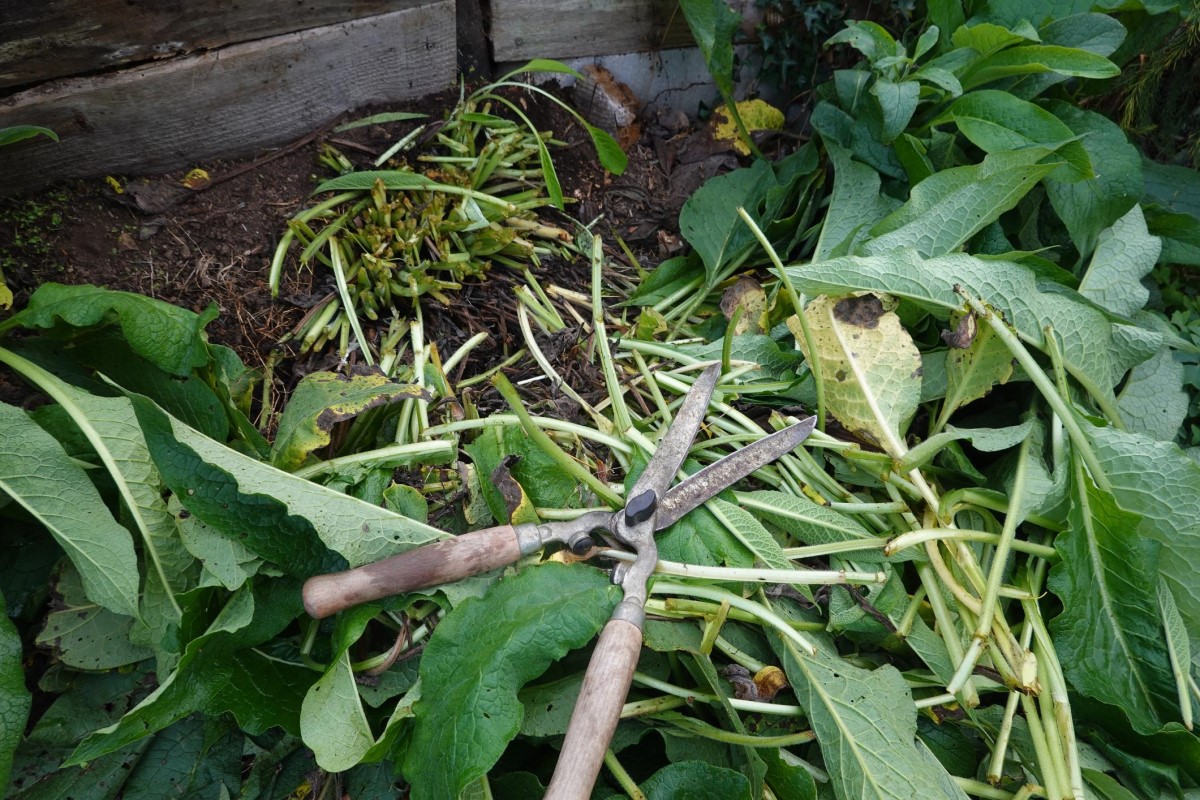
Cut the leaves and lay them around fruit trees, garden beds, or perennial plants. The leaves break down and feed the soil.
2. Compost Booster
Comfrey leaves break down quickly and can help heat up a compost pile.
3. Liquid Fertilizer
Many growers soak comfrey leaves in water to make a strong liquid fertilizer, often called comfrey tea.

4. Soil Building
Comfrey produces large amounts of biomass and has deep roots that help pull nutrients from deeper soil layers.
5. Pollinator Support
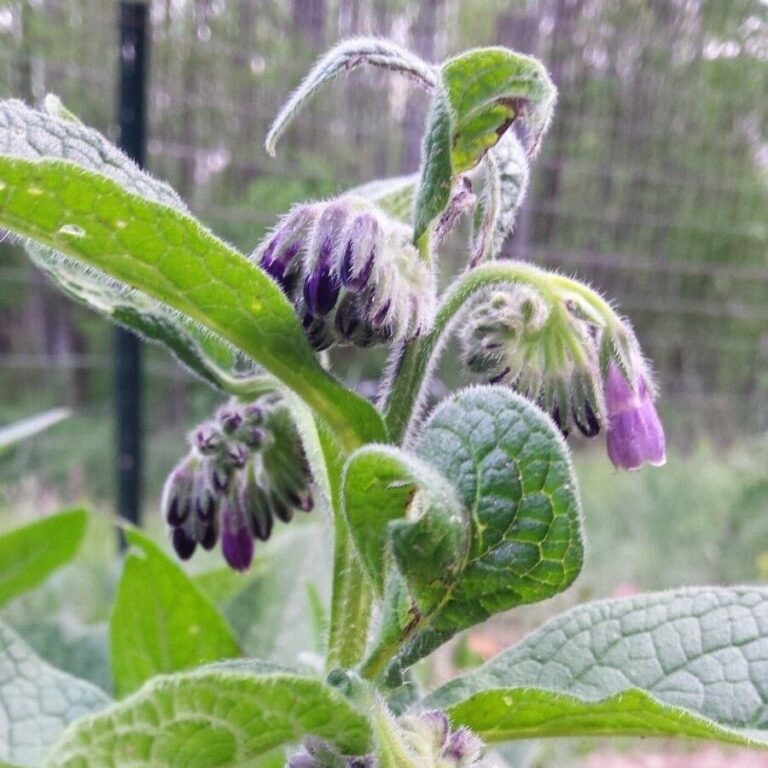
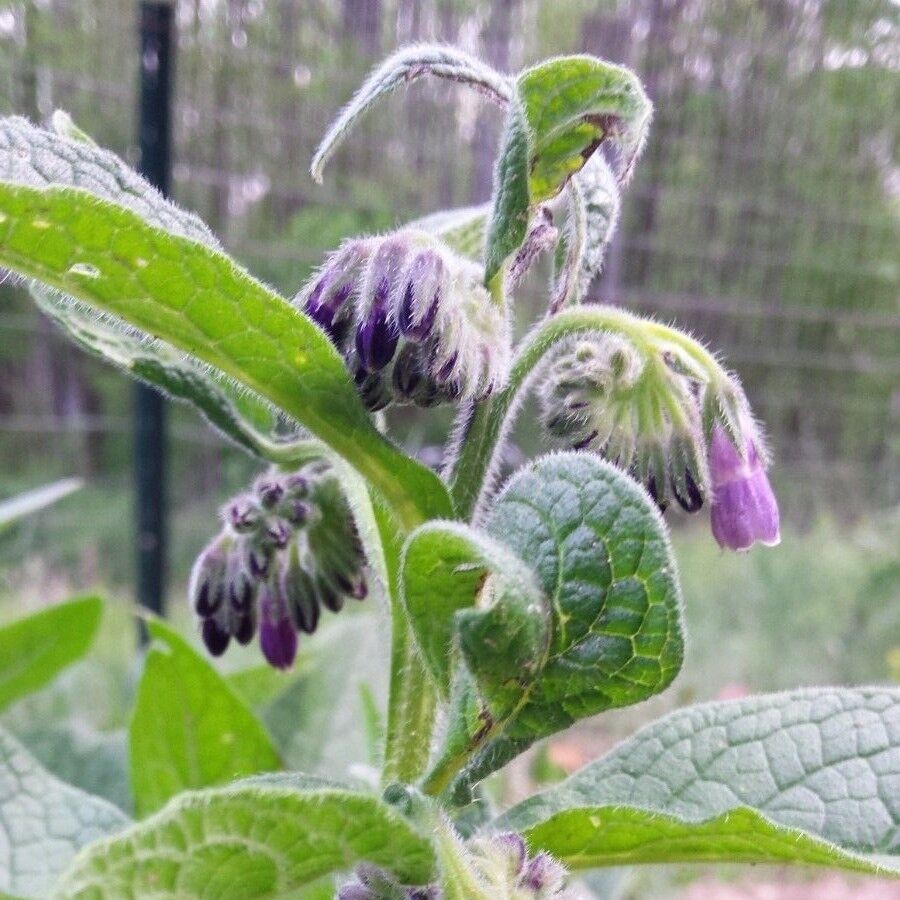
When allowed to flower, comfrey can attract bees and other pollinators.
Is Bocking #4 Comfrey Invasive?
Bocking #4 comfrey does not spread by seed like wild comfrey can.
However, comfrey is persistent. If you dig it up and leave root pieces behind, those root fragments can regrow.
So the honest answer is:
- No, Bocking #4 is not seed-invasive.
- Yes, it can regrow from root pieces.
Plant it where you actually want it, and it can be one of the most useful plants on your property.
How Fast Does Comfrey Grow?
Once established, comfrey grows fast. Many growers can harvest leaves multiple times per season.
In good conditions, a root cutting can become a strong plant in its first year and continue producing for many years after that.
When Is the Best Time to Plant Comfrey Root Cuttings?
Comfrey root cuttings can be planted whenever the ground is workable.
- Spring gives the fastest visible growth.
- Fall is excellent for root establishment.
- Summer can work with enough water.
Where to Buy Bocking #4 Comfrey Root Cuttings
If you want productive, true-to-type Bocking #4 comfrey, start with fresh root cuttings from established plants.
At ComfreyRoots.com, we sell Bocking #4 comfrey root cuttings that are freshly harvested and shipped weekly.
Ready to plant comfrey the right way?
Buy Bocking #4 Comfrey Root Cuttings
Frequently Asked Questions About Comfrey Root Cuttings
Can I grow Bocking #4 comfrey from seed?
No. Named cultivars like Bocking #4 are propagated by root cuttings, not seed. Seed-grown comfrey is usually wild-type and may spread aggressively.
How long do comfrey root cuttings take to sprout?
Most comfrey root cuttings sprout within a few weeks, depending on soil temperature, moisture, and planting conditions.
Does Bocking #4 comfrey spread?
Bocking #4 does not spread by seed, but it can regrow from root fragments if dug up or disturbed.
Is comfrey good for poor soil?
Yes. Comfrey is commonly used for soil building, mulch, compost, and improving garden fertility over time.
How many comfrey plants do I need?
That depends on your goals. A few plants may be enough for a small garden, while larger gardens, food forests, and homesteads may benefit from planting more.
Final Thoughts
Comfrey is one of those plants that earns its spot.
It grows fast, feeds the soil, supports pollinators, and produces year after year with very little maintenance.
Just make sure you start with the right type.
If you want controlled, productive comfrey, skip the seeds and start with Bocking #4 comfrey root cuttings.