Where to Buy Bocking #4 Comfrey Root Cuttings (And What to Look For Before You Order)
If you’re searching for where to buy Bocking #4 comfrey root cuttings, there are a few things you should know before ordering.
You can order Bocking #4 root cuttings here.
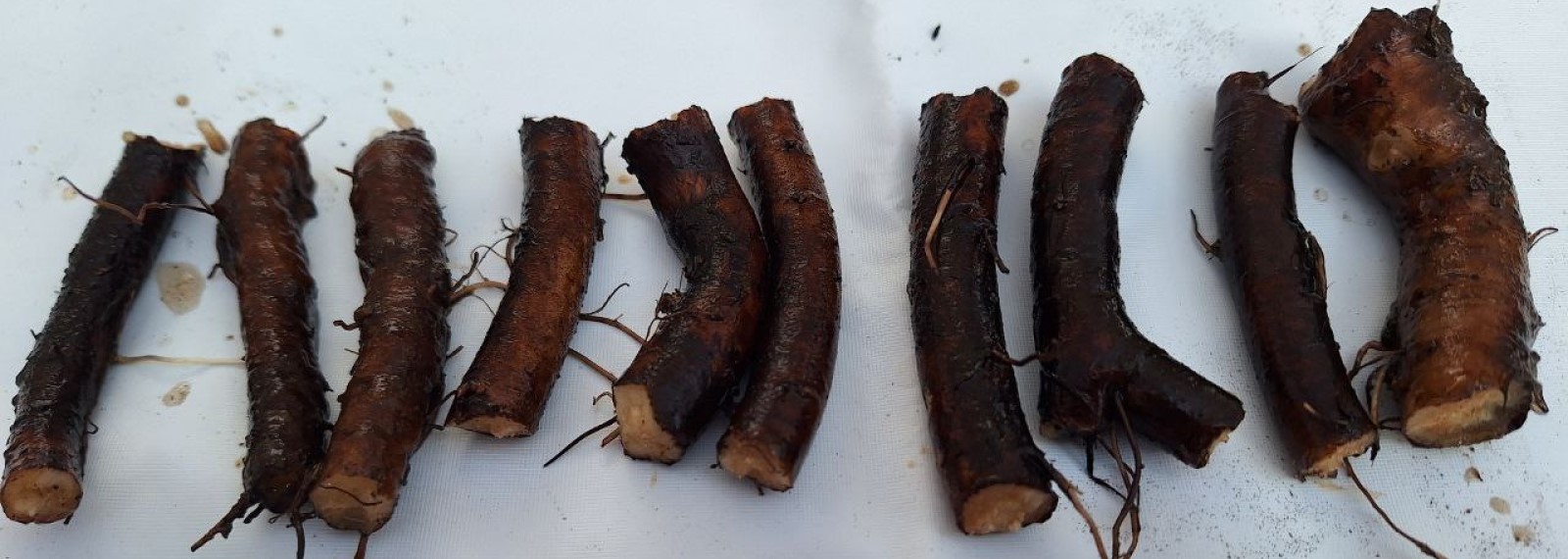
If you have been searching for where to buy Bocking #4 comfrey root cuttings, you have probably already realized two things:
- Not all comfrey is the same
- Not every seller makes it clear what variety they are actually offering
That matters more than most people think.
If your goal is to build a low-input homestead, improve soil, create mulch, make compost tea, or add a reliable perennial workhorse to your property, you do not just want “comfrey.” You want the right comfrey.
For a lot of gardeners, homesteaders, and permaculture folks, that means Bocking #4.
Why People Specifically Look for Bocking #4
Bocking #4 is popular for a reason. It is widely chosen by homesteaders and permaculture growers because it is a sterile, non-invasive variety. That means you get the benefits of comfrey without the headache of it self-seeding all over the place.
It is also valued for being a serious utility plant:
- Deep roots that help pull nutrients up from below
- Heavy leaf production for chop-and-drop mulch
- Fast regrowth after cutting
- Useful around gardens, orchards, compost systems, and homestead edges
- A long-term perennial that keeps producing once established
In other words, this is not just another plant you stick in the ground because it looks nice. This is a plant with a job.
You can get Bocking #4 root cuttings here and start your patch with the variety most people are actually looking for.
What to Look For Before You Buy Comfrey Root Cuttings
Before ordering from any source, here are the things worth paying attention to.
1. Make Sure It Is Actually Bocking #4
This sounds obvious, but plenty of listings online are vague. Some say “comfrey roots” without clearly stating the cultivar. If you specifically want Bocking #4 comfrey root cuttings, the seller should say so clearly and consistently.
2. Look for Freshly Harvested Roots
Fresh root cuttings matter. They should be harvested, packed, and shipped in a way that gives them the best chance of arriving ready to plant. If roots sit too long, dry out badly, or are poorly packed, you are starting behind.
3. Check Shipping Expectations
Comfrey is tough, but that does not mean shipping details do not matter. A good seller should tell you when orders ship, how often they ship, and what to expect when your package arrives.
4. Buy From Someone Who Actually Understands the Plant
There is a difference between someone flipping plant material and someone who actually knows what this plant is used for. When you buy from a grower who understands how people use comfrey on real properties, you are less likely to end up with vague advice and more likely to get what you actually need.
5. Think About Order Size Up Front
A lot of people buy too small because they are trying to “test it.” That is fine if you really just want a few plants. But if you already know you want comfrey for mulch, compost, around fruit trees, near the garden, or as part of a bigger regenerative system, it usually makes sense to think one step ahead.
How Many Comfrey Root Cuttings Should You Buy?
The right answer depends on what you want the plant to do for you.
- 10 root cuttings – good for a trial run, a small garden edge, or a few test spots
- 20 root cuttings – a better fit for most homesteaders who want a real starter patch
- 50 root cuttings – ideal if you are thinking bigger: orchard support, dedicated chop-and-drop zones, or expanding fast
The mistake a lot of people make is thinking too small. Once comfrey proves itself on your property, most people wish they had planted more the first time.
They are looking for a soil-building system they only have to plant once.
If that sounds like what you want, see the available Bocking #4 root cutting sizes here.
Where to Buy Bocking #4 Comfrey Root Cuttings
If you want a direct source for Bocking #4 comfrey root cuttings, you can order them here:
Order Bocking #4 Root Cuttings
These are intended for people who specifically want the non-invasive Bocking #4 variety and want to start a productive patch without messing around with questionable listings or vague cultivar claims.
Whether you are planting around the garden, adding fertility support to a homestead, building biomass for compost, or setting up a long-term permaculture system, starting with the right rootstock matters.
What Makes a Good Comfrey Purchase?
A good comfrey purchase is not just about finding the cheapest listing on the internet.
It is about getting:
- The right variety
- Freshly harvested root cuttings
- Clear planting expectations
- A seller with real-world experience
- An order size that actually matches your goals
If you are building a low-input property, trying to improve your soil naturally, or creating a system that keeps producing year after year, comfrey is one of those plants that earns its space.
And if you buy the right kind the first time, you avoid a lot of wasted effort later.
Frequently Asked Questions
Is Bocking #4 comfrey invasive?
Bocking #4 is widely chosen because it is a sterile variety and does not spread by seed the way common comfrey can.
How long does it take comfrey root cuttings to grow?
Growth timing depends on temperature, moisture, and conditions, but fresh root cuttings typically establish and begin showing growth after planting when conditions are favorable.
Can I plant comfrey around fruit trees and gardens?
Yes. Many gardeners and permaculture growers use comfrey around fruit trees, garden edges, compost systems, and other areas where biomass and soil-building are useful.
What is the best comfrey variety for homesteaders?
A lot of homesteaders specifically look for Bocking #4 because it is non-invasive and useful for mulch, compost, soil improvement, and general property productivity.
Where can I buy Bocking #4 comfrey root cuttings?
Final Thought
If your goal is to build a more productive, low-input property, comfrey is one of those plants that keeps paying you back.
Plant it once, manage it well, and it can keep producing biomass, mulch material, and soil-building value for years.
If you are ready to get started, this is the direct product page: